Why daily hygiene matters
Every day, a sticky film of bacteria called plaque builds up on your teeth. If it isn't removed regularly, it can lead to cavities, gum inflammation and, over time, more serious gum disease. Brushing and flossing are how you remove it before it causes problems.
How to brush properly
- Use a soft-bristled brush and a fluoride toothpaste.
- Brush twice a day — once in the morning and once before bed — for about two minutes each time.
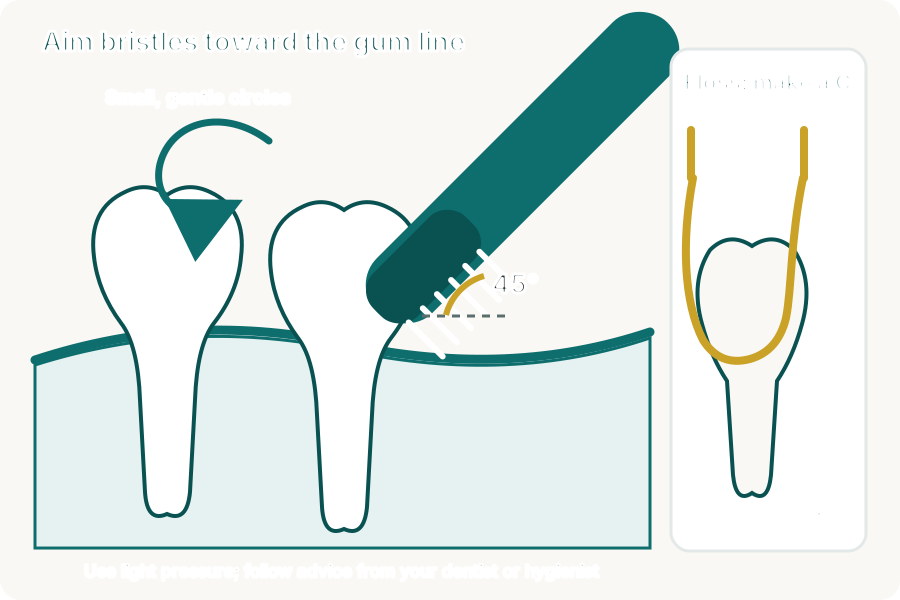
- Angle the brush at 45° to the gumline and use gentle, small circular motions rather than harsh back-and-forth scrubbing, which can wear down enamel and irritate gums over time.
- Cover every surface: the outside, inside and chewing surfaces of your teeth, and don't forget your tongue.
- Replace your toothbrush every few months, or sooner if the bristles are frayed.
How to floss properly
Brushing alone can't reach the tight spaces between teeth — that's where flossing comes in.
- Use about 45cm of floss, winding most of it around your middle fingers and leaving a couple of centimetres to work with.
- Gently guide the floss between each pair of teeth using a rubbing motion — don't snap it down onto the gum.
- Curve it into a C-shape against each tooth and slide it up and down a few times before moving to the next gap.
- Use a fresh section of floss as you move between teeth.
If traditional floss is fiddly, interdental brushes or floss picks are a good alternative — the important thing is cleaning between your teeth daily, not the exact tool you use.
Other everyday habits worth keeping
- Limit sugary food and drinks, especially between meals, as they feed the bacteria that cause decay.
- Avoid smoking or tobacco use, which is linked to gum disease and other oral health problems.
- Consider a mouthwash as an addition to — not a replacement for — brushing and flossing, if your dentist recommends one.
- Keep up regular dental check-ups, so small issues are caught early.
When to see a dentist
Good home care is essential, but it doesn't replace professional care. Book an appointment if you notice:
- Bleeding or swollen gums
- Persistent bad breath
- Sensitivity to hot, cold or sweet foods
- Toothache or visible damage to a tooth
If you're in pain right now, please call 011 883 3005 (or 079 406 3045 after hours) rather than waiting for your next routine visit.